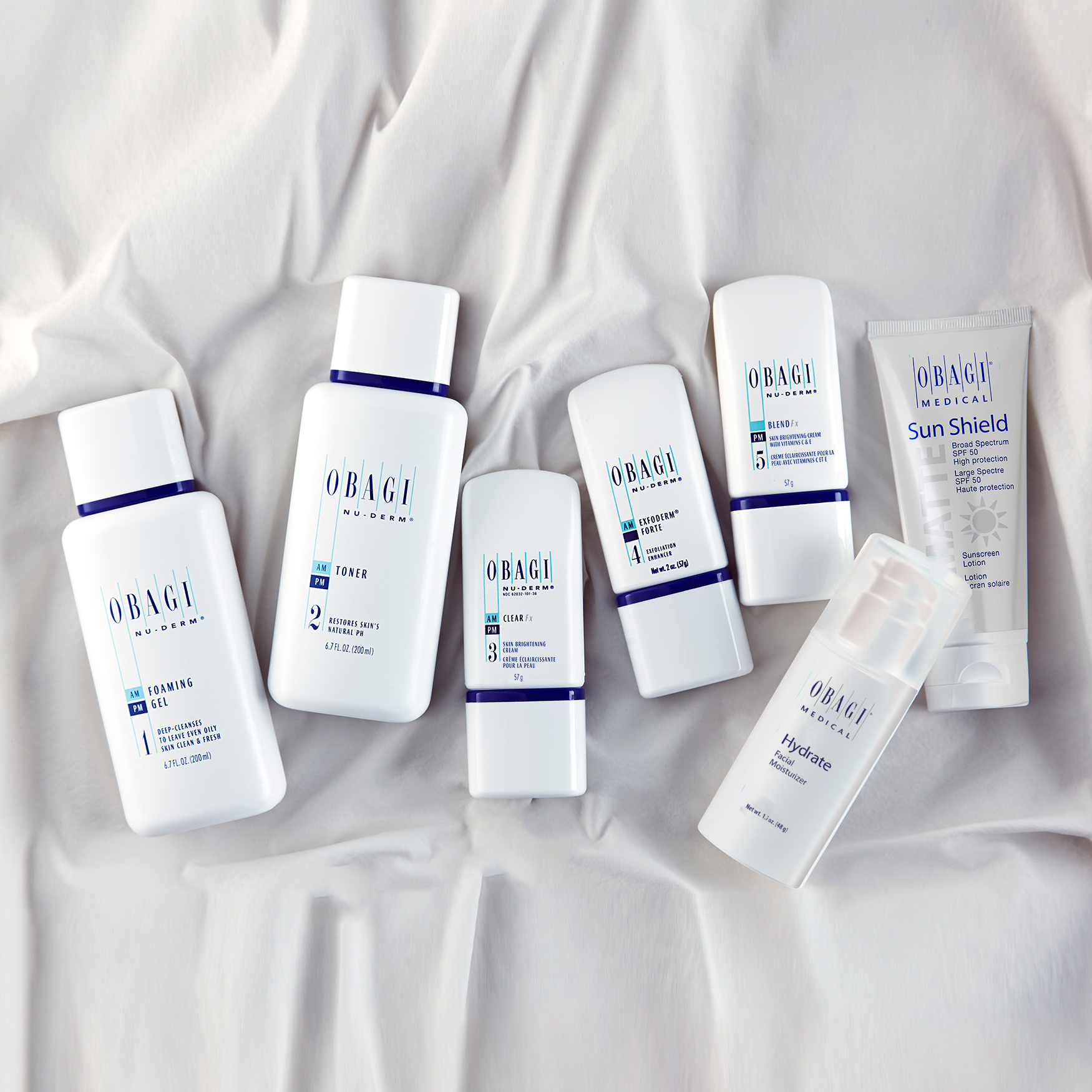
Struggling with stubborn pigmentation, melasma or uneven skin tone? Discover how the OBAGI Nu-Derm Transformation System can help improve discolouration, target dark spots and support a clearer, more even complexion.
Pigmentation and melasma can be among the most frustrating skin concerns to manage. Dark patches, uneven skin tone and recurring discolouration can persist despite using brightening serums, exfoliating products and expensive skincare.
The challenge is that pigmentation isn't always a surface-level concern. Melanin production is influenced by several factors, including UV exposure, hormonal changes, inflammation and genetics. With melasma in particular, pigmentation can improve and then return when the skin is exposed to certain triggers.
This is why effective pigmentation management requires more than simply brightening the skin. It requires a consistent, targeted approach to achieving and maintaining an even complexion.
At FAM Clinic in Waterbeach, Cambridge, we recommend the OBAGI Nu-Derm Transformation System for suitable clients looking to address visible pigmentation, sun damage and uneven skin tone.
Rather than relying on a single brightening product, Nu-Derm combines targeted ingredients, controlled exfoliation, Vitamin A, hydration and daily sun protection in a structured skincare programme.
The aim is to improve existing pigmentation, support a more even complexion and establish a skincare routine that helps maintain results over time.
Whether you are experiencing hormonal pigmentation, melasma, sun spots or general uneven skin tone, understanding the ingredients and science behind your skincare is an important first step.
What is the OBAGI Nu-Derm Transformation System?
The OBAGI Nu-Derm Transformation System is a comprehensive, medical-grade skincare programme developed to improve skin tone, clarity and texture.
It takes a systematic approach to skin renewal and pigmentation management, with individual products designed to work together as part of a daily AM and PM routine.
The system is particularly beneficial for suitable individuals concerned about:
- Hyperpigmentation and dark spots.
- Melasma and hormonal pigmentation.
- Sun damage and age spots.
- Uneven skin tone and discolouration.
- Dull, lacklustre skin.
- Uneven skin texture.
- Post-inflammatory pigmentation.
One of the key benefits of the Nu-Derm approach is that it doesn't simply focus on the appearance of pigmentation at the skin's surface. It combines ingredients that target processes involved in melanin production, alongside exfoliation, skin renewal and protection.
The overall goal is to achieve a clearer, brighter and more even-looking complexion and, importantly, maintain those improvements.
Understanding pigmentation and melasma
Before looking at how Nu-Derm works, it helps to understand why pigmentation develops and why some types can be particularly difficult to manage.
What is hyperpigmentation?
Hyperpigmentation occurs when excess melanin accumulates in certain areas of the skin, creating darker patches or spots compared with the surrounding skin.
Melanin is the natural pigment responsible for our skin, hair and eye colour. It is produced by specialised cells called melanocytes.
When these cells produce excess melanin or pigment becomes unevenly distributed, areas of discolouration can develop.
Common causes include:
- UV exposure and accumulated sun damage.
- Hormonal changes.
- Acne and post-inflammatory pigmentation.
- Skin inflammation or trauma.
- The natural ageing process.
The appearance can range from individual dark spots to larger areas of uneven pigmentation.
What is melasma?
Melasma is a more complex and often persistent form of pigmentation.
It typically presents as symmetrical brown or grey-brown patches, most commonly across the cheeks, forehead, upper lip and chin.
It is particularly associated with hormonal influences and sun exposure.
Common triggers include:
- Hormonal fluctuations.
- Pregnancy.
- Hormonal contraception.
- UV exposure.
- Visible light exposure.
- Genetic predisposition.
Melasma can be particularly challenging because the melanocytes remain responsive to triggers, meaning pigmentation can return even after visible improvements have been achieved.
Unlike some forms of pigmentation, melasma is a chronic condition that requires ongoing management rather than a one-off treatment.
This is why a consistent skincare programme, appropriate active ingredients and diligent sun protection are so important.
How does OBAGI Nu-Derm help with pigmentation?
The Nu-Derm Transformation System combines several approaches to help improve the appearance of uneven pigmentation.
Rather than relying on exfoliation alone, it incorporates brightening ingredients that target melanin production, alongside products that support skin renewal, hydration and protection.
There are four important elements to this approach.
1. Targeting melanin production
One of the standout ingredients in the Nu-Derm Fx system is arbutin.
Arbutin helps inhibit tyrosinase, an enzyme involved in the production of melanin. By helping regulate this process, it can reduce the appearance of dark spots and uneven pigmentation.
2. Encouraging skin renewal
Exfoliating ingredients help remove accumulated dead skin cells from the skin's surface.
This supports a smoother texture and brighter appearance while helping improve the appearance of superficial discolouration.
3. Supporting cellular turnover
Vitamin A, including retinol, helps regulate cellular turnover and supports skin renewal. It can improve the appearance of uneven skin tone, sun damage and skin texture.
4. Protecting and maintaining the complexion
Daily sun protection is essential when managing pigmentation.
UV exposure stimulates melanin production and can worsen existing discolouration. Consistent SPF use helps protect the skin against further UV-induced pigmentation and supports the maintenance of improvements.
Together, these steps provide a structured approach to achieving and maintaining a more even-looking complexion.
The key ingredients: What makes OBAGI Nu-Derm work?
The effectiveness of a structured skincare programme comes from understanding what each ingredient does and how it contributes to the overall result.
Here are some of the important ingredients and their roles within the Nu-Derm range.
1. Arbutin and Hydroquinone – Targeting uneven pigmentation
Two important ingredients in the OBAGI Nu-Derm approach to pigmentation are arbutin and hydroquinone. Both target processes involved in melanin production, helping to improve the appearance of dark spots, uneven skin tone and discolouration.
They are distinct ingredients used in different formulations, not interchangeable treatments. The clinical studies discussed below evaluated particular hydroquinone-containing regimens and do not establish equivalent efficacy for the UK Nu-Derm Fx system.
Arbutin – The brightening ingredient in Nu-Derm Fx
Arbutin is a nature-identical skin-brightening ingredient that helps regulate tyrosinase, an enzyme involved in melanin production.
By targeting this pathway, arbutin helps reduce the appearance of dark spots, uneven pigmentation and discolouration.
The OBAGI Nu-Derm Fx Clear Fx and Blend Fx formulations contain arbutin, providing a hydroquinone-free approach to improving the appearance of uneven skin tone.
Arbutin is particularly useful for clients looking to improve uneven skin tone and maintain a brighter, more balanced complexion.
Hydroquinone – Prescription-strength pigmentation treatment
Hydroquinone is a well-established depigmenting ingredient used in certain prescription skincare treatments for persistent hyperpigmentation, including melasma and sun-related discolouration.
It works by inhibiting tyrosinase, helping to reduce melanin production and gradually improve the appearance of excess pigmentation.
The prescription-strength OBAGI Nu-Derm Rx Clear and Blender formulations marketed in certain countries contain 4% hydroquinone.
Hydroquinone is a more intensive treatment option and requires appropriate clinical assessment, prescribing and monitoring. It is generally used for a defined treatment period rather than as an indefinite maintenance product.
It is important to distinguish between the two systems: the UK Nu-Derm Fx formulations contain arbutin and are hydroquinone-free. Prescription-strength Rx formulations are a separate product range and must be considered in accordance with applicable UK medicines requirements.
Choosing the right approach
Whether an arbutin-based skincare programme or another clinically appropriate pigmentation treatment is suitable depends on the type of pigmentation, skin condition, medical history and individual treatment goals.
At FAM Clinic, we believe effective pigmentation management starts with understanding your skin. A consultation and skin analysis help establish the most appropriate skincare programme for your individual needs.
2. Lactic Acid – Exfoliation and skin renewal
Lactic acid is an alpha hydroxy acid (AHA) that helps loosen the bonds between dead skin cells, encouraging their removal from the skin's surface.
It can help:
- Improve skin texture.
- Reduce the appearance of dullness.
- Reveal a brighter-looking complexion.
- Improve the appearance of uneven skin tone.
- Support skin hydration.
It is particularly useful as part of a carefully structured exfoliation programme.
3. Vitamin C – Antioxidant protection
Vitamin C, also known as ascorbic acid, is a powerful antioxidant that helps protect the skin against oxidative stress caused by environmental factors.
It also plays a role in collagen production and can help improve the appearance of uneven skin tone.
Vitamin C is a useful ingredient when addressing dullness, discolouration and the visible effects of environmental skin damage.
4. Vitamin E – Supporting skin protection
Vitamin E is an antioxidant that helps protect the skin against oxidative stress.
It also provides skin-conditioning benefits and works alongside other antioxidants to support the appearance of healthy skin.
5. Glycerin and Hyaluronic Acid – Hydration
Maintaining hydration is important when using active skincare ingredients.
Glycerin and hyaluronic acid are humectants, meaning they help attract and retain water within the skin.
Supporting hydration helps maintain skin comfort and the appearance of a healthy skin barrier, particularly when using exfoliating ingredients.
6. Vitamin A (Retinol) – Cellular turnover and skin renewal
Vitamin A is an important part of the Nu-Derm transformation programme.
Retinol is a vitamin A derivative that helps regulate cellular turnover and supports the skin's natural renewal processes.
It can help improve the appearance of:
- Uneven skin tone and pigmentation.
- Sun-damaged skin.
- Fine lines and wrinkles.
- Uneven skin texture.
- Dullness and loss of radiance.
Retinol also supports collagen production, making it a valuable ingredient for improving the visible signs of ageing alongside pigmentation concerns.
Introducing Vitamin A requires a gradual and carefully managed approach, as dryness, redness and peeling can occur while the skin adjusts.
Understanding the OBAGI Nu-Derm products: What does each step do?
One of the reasons we like the Nu-Derm approach is that every product has a specific role within the programme.
The system is designed to work as a complete routine rather than a collection of unrelated skincare products. The UK Fx system contains seven core products; Vitamin A may be added separately where appropriate. The steps below describe a personalised routine, not instructions to apply all products together.
Step 1 – Gentle Cleanser or Foaming Gel
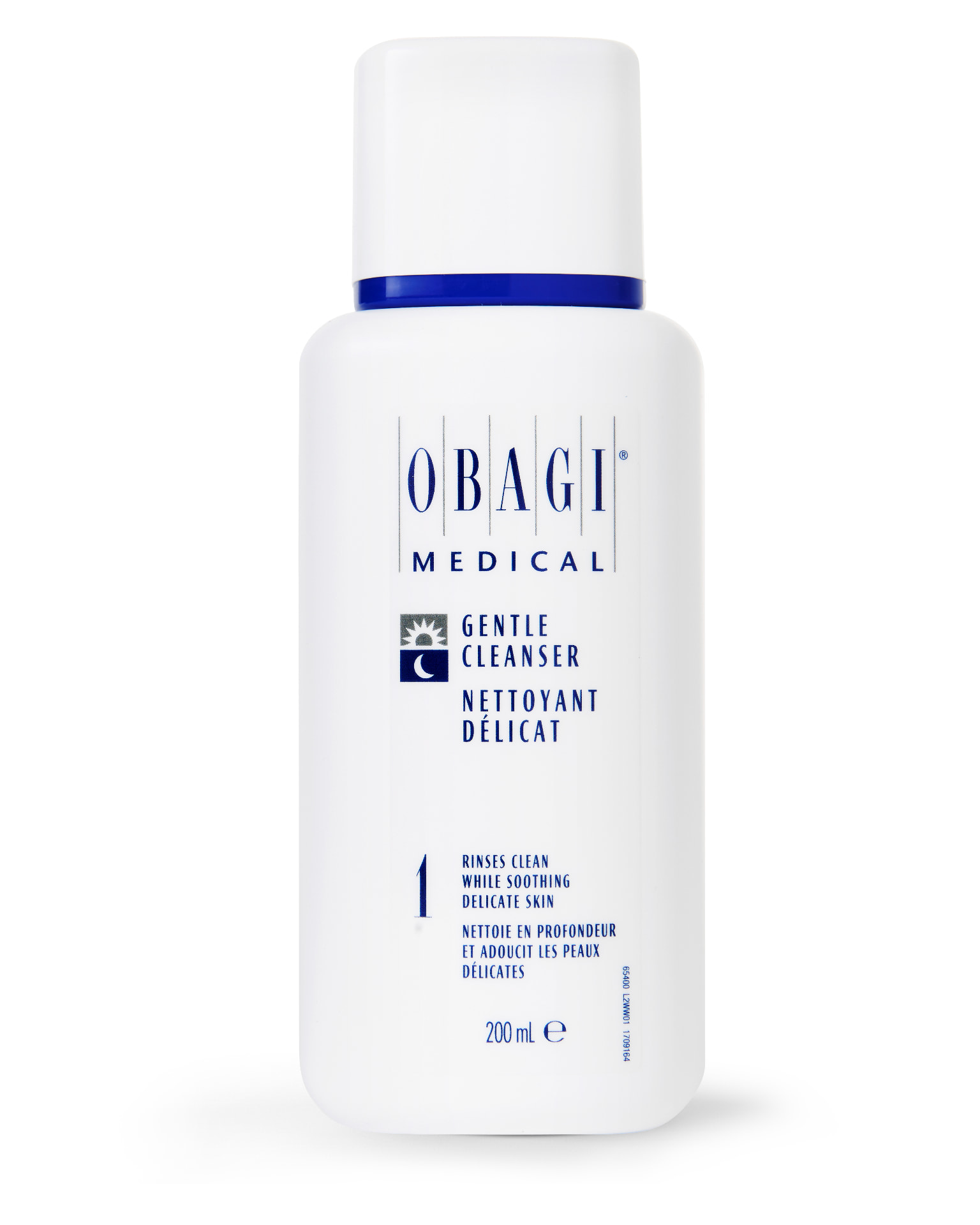
Cleansing is the first step in preparing the skin.
The cleansers remove daily impurities, excess oil, make-up and surface debris, leaving the skin clean and ready for subsequent products.
- Gentle Cleanser: Suitable for normal to dry skin.
- Foaming Gel: Suitable for normal to oily skin.
Choosing the correct cleanser helps ensure the routine is appropriate for your skin type.
Step 2 – Toner
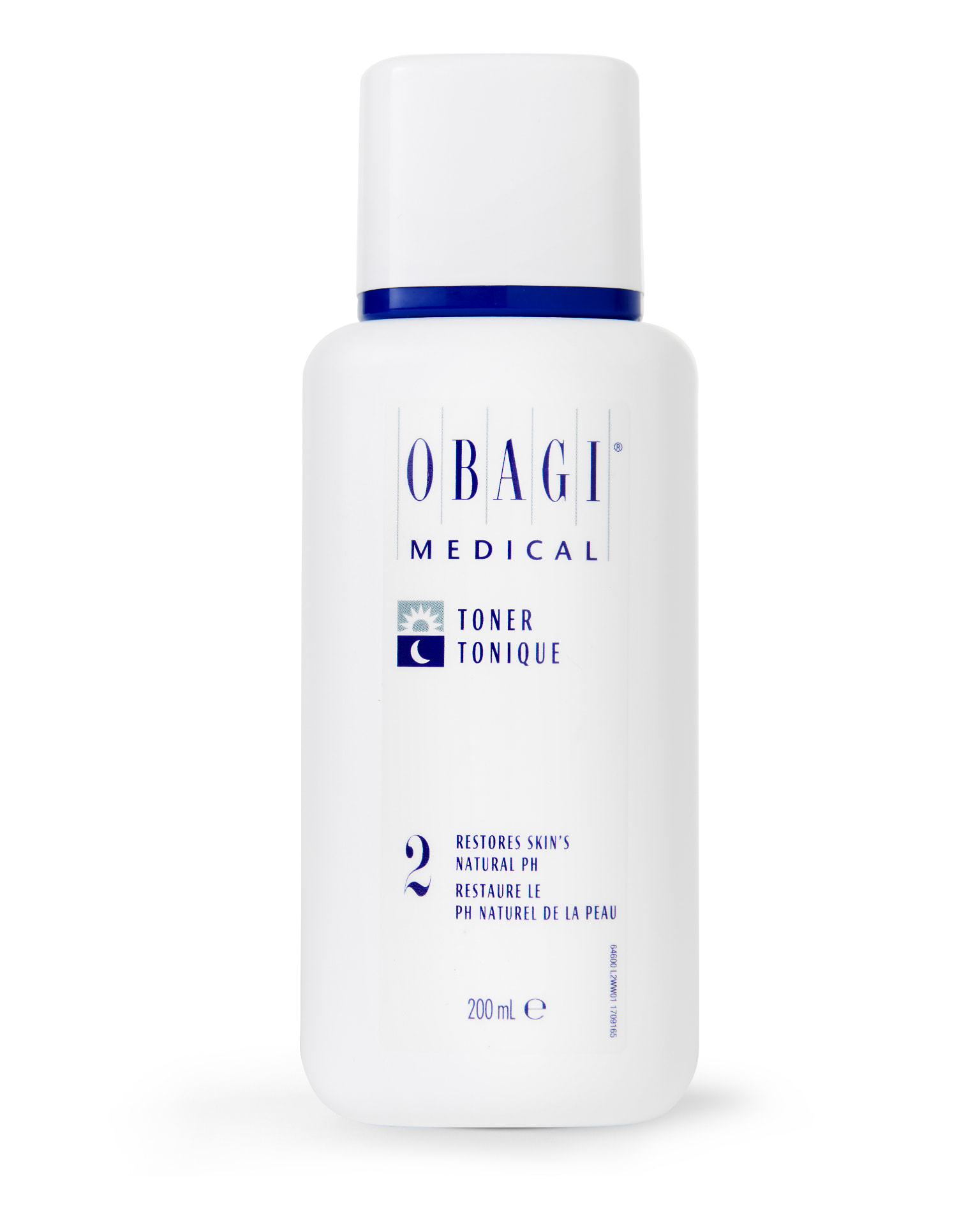
The toner helps remove residual impurities and prepares the skin for the application of subsequent products.
It forms part of the structured cleansing routine and helps leave the skin feeling refreshed.
Step 3 – Clear Fx
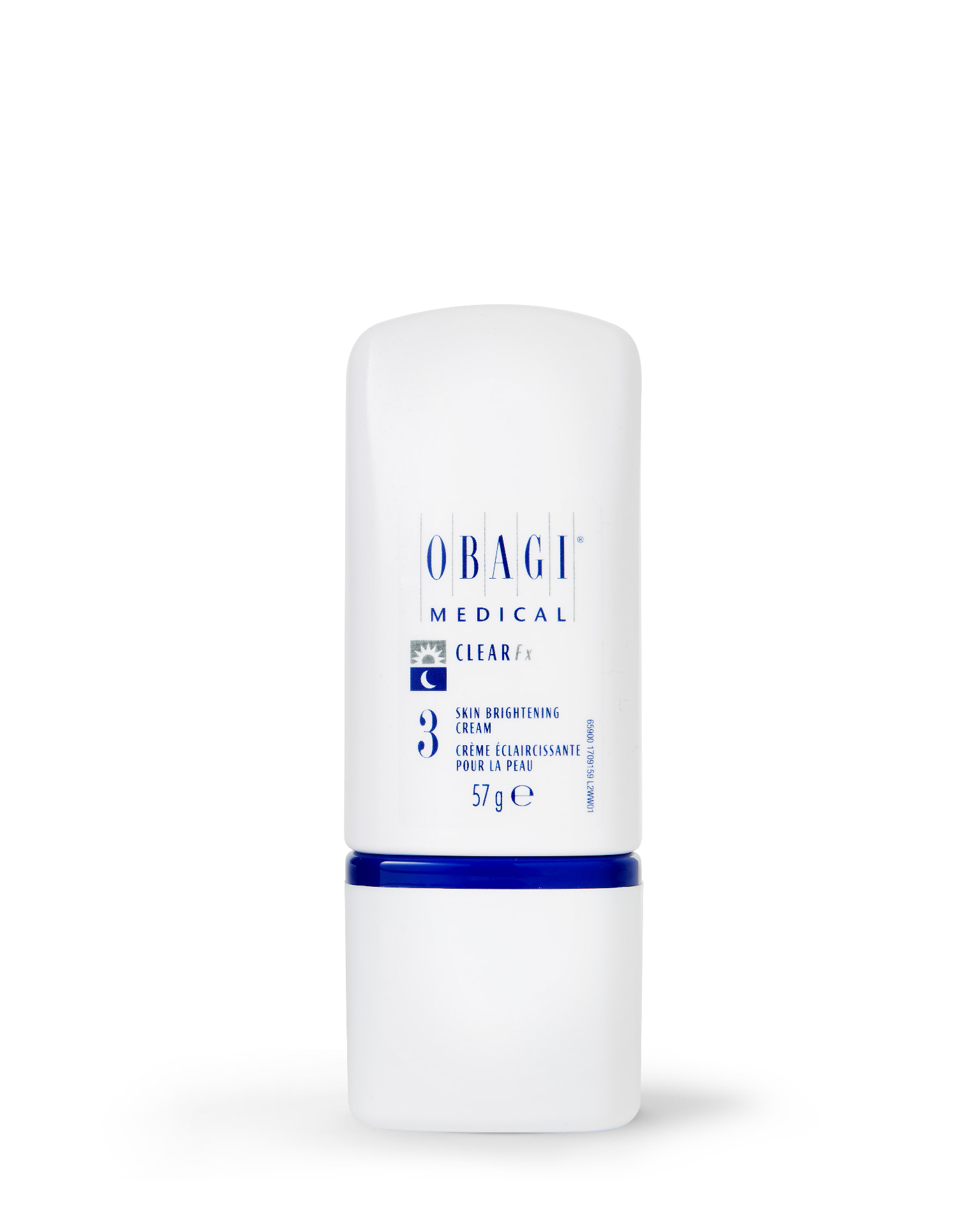
Clear Fx is one of the key brightening products within the Nu-Derm Fx system.
Containing arbutin, it helps target the appearance of dark spots and uneven skin tone.
This is an important step for clients concerned about pigmentation and discolouration.
Step 4 – Exfoderm or Exfoderm Forte
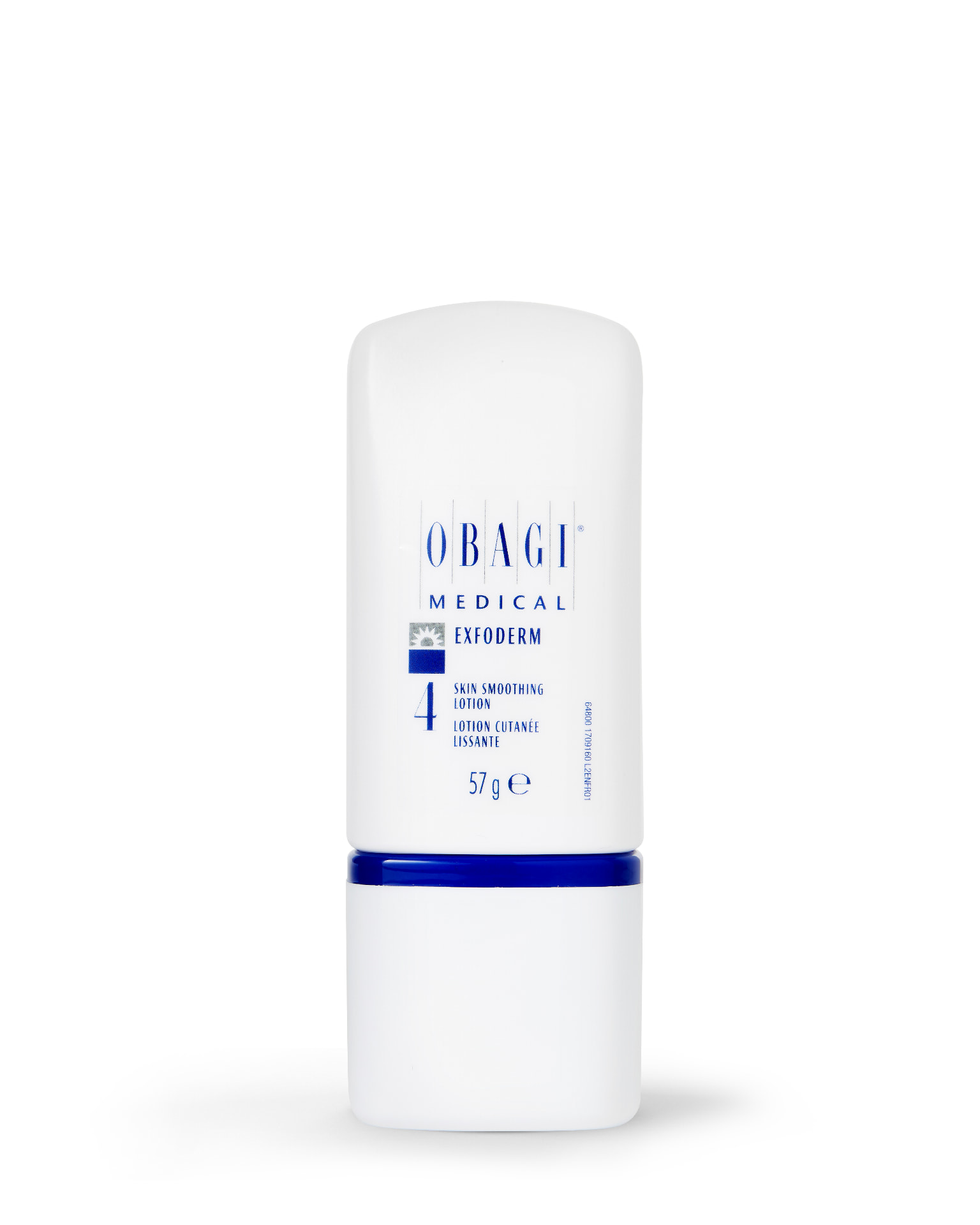
Exfoliation plays an important role in improving skin clarity and texture.
Exfoderm products help remove accumulated dead skin cells, encouraging a smoother and brighter-looking complexion.
- Exfoderm: Designed for normal to dry skin.
- Exfoderm Forte: Designed for normal to oily skin.
By supporting surface exfoliation, these products help improve the appearance of dullness and uneven texture.
Step 5 – Blend Fx
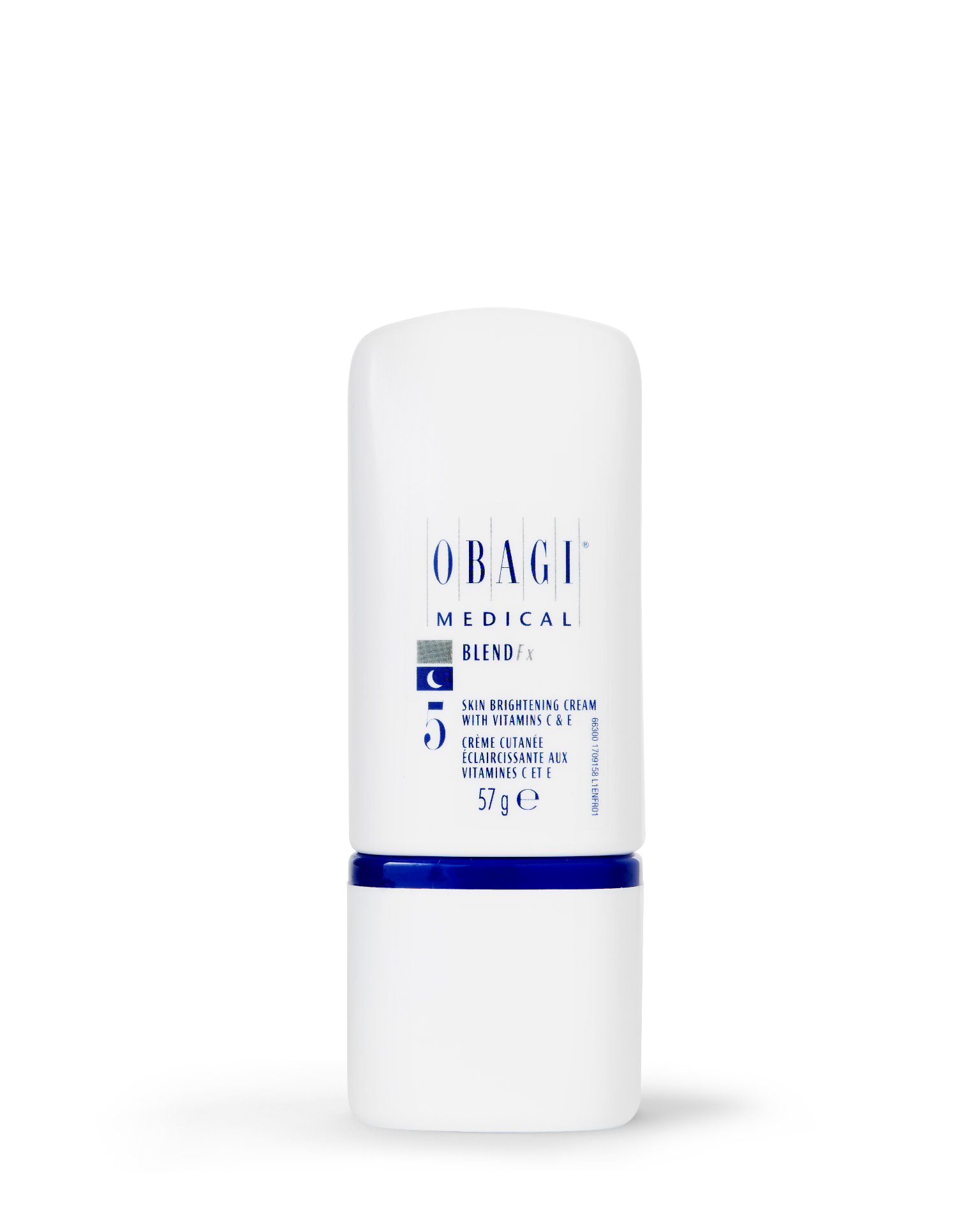
Blend Fx is another important brightening formulation within the Nu-Derm Fx programme.
Containing arbutin alongside supporting ingredients, it complements Clear Fx as part of the system's approach to improving the appearance of uneven pigmentation.
It is used as part of a structured routine to help achieve a more even-looking complexion.
Step 6 – Hydrate
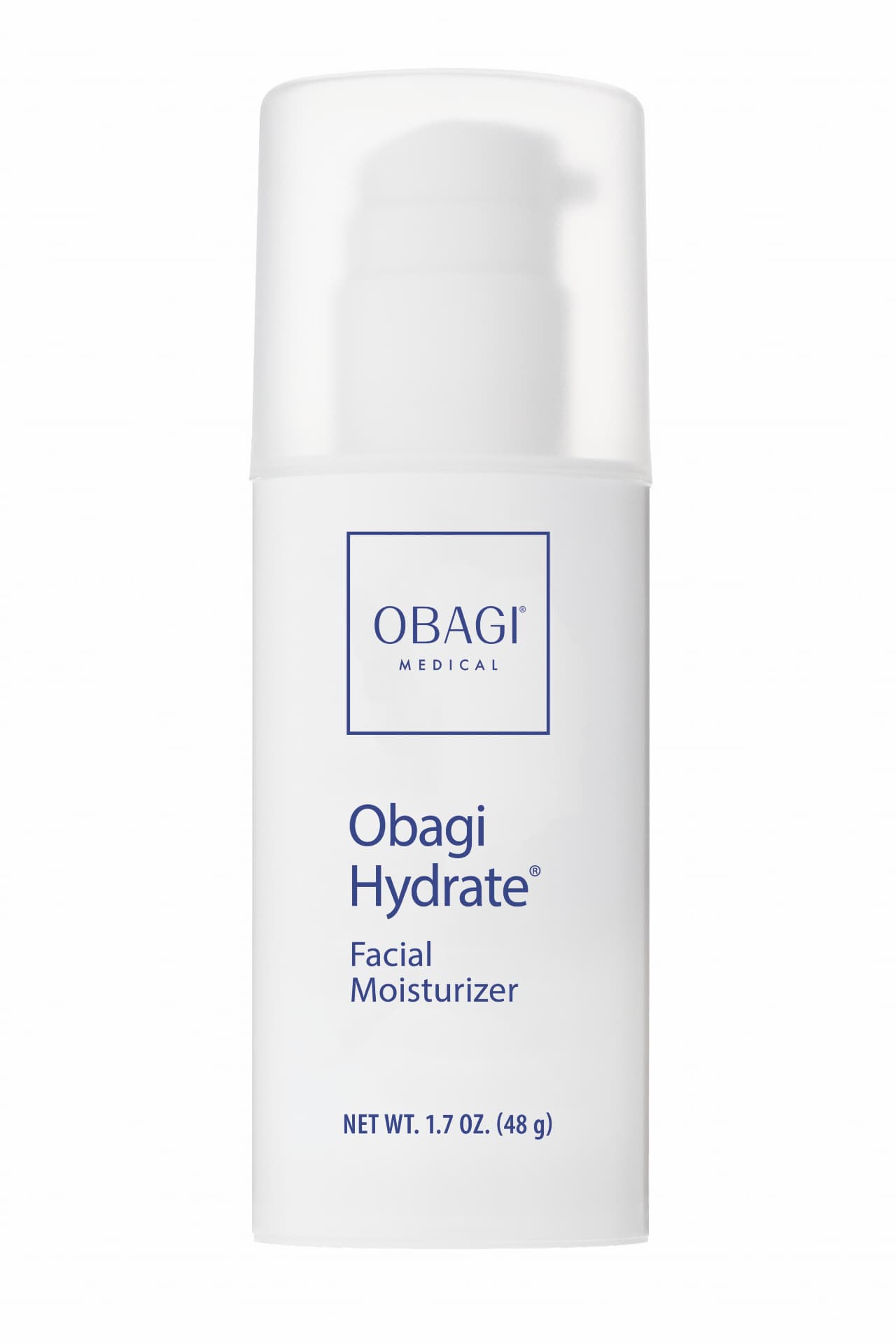
Hydration is essential when using an active skincare programme.
OBAGI Hydrate helps replenish moisture and maintain skin comfort, supporting hydration throughout the day.
A well-hydrated skin barrier is particularly important when incorporating exfoliating and brightening ingredients.
Step 7 – Vitamin A (Retinol): Supporting Cellular Turnover
Vitamin A is an important part of the Nu-Derm transformation programme.
Retinol works by increasing cellular turnover and supporting skin renewal. It helps encourage the shedding of older skin cells and promotes the development of fresher-looking skin.
It can help improve:
- Uneven skin tone and the appearance of pigmentation.
- Skin texture and surface irregularities.
- Fine lines and wrinkles.
- Sun-damaged skin.
- Overall skin clarity and radiance.
Retinol also supports collagen production, making it a valuable ingredient for improving the visible signs of ageing alongside pigmentation concerns.
Introducing Vitamin A into a skincare routine requires a gradual and carefully managed approach, as dryness, redness and peeling can occur while the skin adjusts.
Prescription-strength retinoids may be considered where clinically appropriate following consultation and skin assessment, subject to the relevant prescribing requirements.
Step 8 – Sun Shield SPF 50: Protecting Your Results
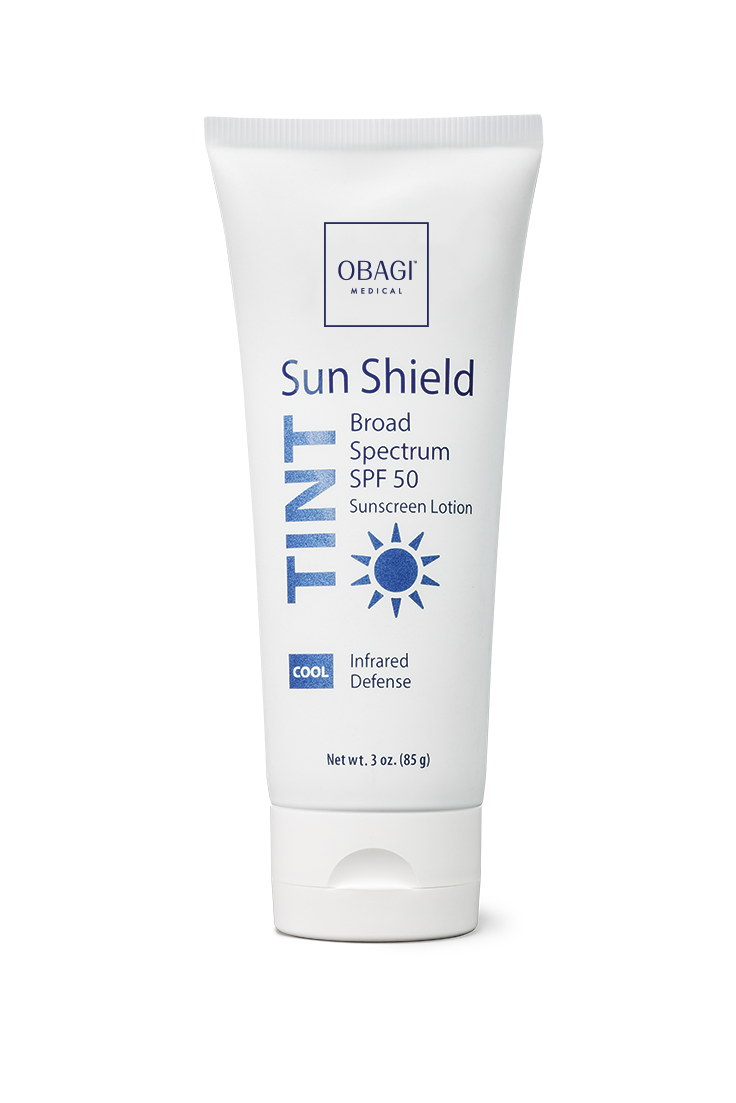
Sun protection is arguably one of the most important steps when managing pigmentation and melasma.
UV exposure stimulates melanocytes, encouraging further melanin production. This can make existing pigmentation darker and contribute to new areas of discolouration.
OBAGI Sun Shield Matte Broad Spectrum SPF 50 provides broad-spectrum UVA and UVB protection, helping protect the skin against further sun damage and supporting the maintenance of a more even complexion.
For those managing melasma, we particularly recommend considering a tinted sunscreen containing iron oxides, as visible light can also contribute to pigmentation.
Remember: improving pigmentation is one part of the journey; protecting your results is just as important.
Your practitioner will advise how to incorporate the products into your individual AM and PM routine. Retinol is generally used in the evening, while SPF is applied every morning.
Why is sun protection so important when treating melasma?
If there is one step that should never be overlooked when managing pigmentation, it is daily sun protection.
UV radiation stimulates melanocytes, encouraging melanin production. This can make existing pigmentation darker and contribute to new areas of discolouration.
For people with melasma, even relatively small amounts of sun exposure can trigger a flare-up.
Visible light can also contribute to melasma, particularly in individuals with darker skin tones.
We recommend:
- Using a broad-spectrum SPF 50 every morning. OBAGI Mineral Broad Spectrum SPF is an option to consider.
- Reapplying sunscreen when exposed to daylight, particularly outdoors.
- Wearing a wide-brimmed hat when spending time outside.
- Seeking shade during periods of strong sunlight.
- Considering a tinted sunscreen containing iron oxides for additional visible-light protection.
Sun protection is not simply an additional skincare step. It is an essential part of long-term pigmentation management.
Is there clinical research behind the OBAGI Nu-Derm Transformation System?
At FAM Clinic, we believe that understanding the science behind skincare is just as important as understanding the products themselves.
The OBAGI Nu-Derm system has been evaluated in clinical research investigating improvements in facial hyperpigmentation, mottled pigmentation, photoageing and melasma.
Published studies have examined specific Nu-Derm formulations and treatment combinations, providing clinical data on changes in pigmentation and overall skin appearance.
Research into hyperpigmentation
A randomised, investigator-blinded study published in the Journal of Drugs in Dermatology in 2013 compared a seven-product, hydroquinone-containing OBAGI Nu-Derm regimen with a four-product, hydroquinone-free SkinMedica regimen. This study did not test the UK Nu-Derm Fx system.
Over 12 weeks, both groups demonstrated significant improvements in overall hyperpigmentation, mottled pigmentation and photoageing compared with baseline.
Research into melasma
A separate 24-week clinical evaluation investigated a 4% hydroquinone and 1% retinol treatment regimen for melasma and photodamage. This was a hydroquinone-containing regimen, not the UK hydroquinone-free Fx system.
The study reported improvements in melasma severity, pigmentation intensity and the Melasma Area and Severity Index (MASI) over the evaluation period.
These findings are encouraging, but it is important to understand that the studies evaluated particular formulations and protocols. They should not automatically be interpreted as evidence that every Nu-Derm formulation, including the UK hydroquinone-free Fx system, will produce identical results.
Clinical research helps us understand how ingredients and structured skincare programmes can contribute to pigmentation management, while individual results will always vary.
How long does it take to see results?
Skin transformation takes time, and consistency is key.
At FAM Clinic, we approach the Nu-Derm Transformation System as a structured programme, generally allowing approximately 18–24 weeks for the initial transformation phase, depending on the individual's skin condition, product selection and tolerance.
Some clients may notice improvements in skin brightness and texture before seeing more significant changes in pigmentation.
The time needed to achieve visible improvements will depend on several factors, including:
- The type and depth of pigmentation.
- The severity of the discolouration.
- Individual skin characteristics.
- Consistency with the skincare programme.
- Sun exposure and other pigmentation triggers.
Melasma can be particularly challenging and may require a longer-term management plan.
It is important not to rush the process or introduce too many active ingredients too quickly. A gradual, professionally guided approach helps support skin tolerance and minimise unnecessary irritation.
The objective is not to achieve a quick result at the expense of skin health, but to establish a routine that can be maintained.
Managing pigmentation is a long-term commitment
One of the most important things to understand about pigmentation, particularly melasma, is that achieving improvement is only part of the process.
Melasma is a recurring condition. Even when the complexion has improved, melanocytes can remain sensitive to triggers such as UV exposure, visible light and hormonal changes.
This means that maintenance is essential.
Once the skin has responded to the initial programme, a suitable maintenance routine can help preserve improvements and support a more even complexion.
This may involve continuing selected brightening products, maintaining appropriate exfoliation, supporting the skin barrier and using daily sun protection.
Your skincare routine may need to evolve depending on the condition of your skin, the time of year and your individual needs.
Think of pigmentation management as an ongoing skin health journey, rather than a one-off treatment.
Is OBAGI Nu-Derm suitable for everyone?
Although the Nu-Derm system offers a comprehensive approach to pigmentation management, it is not a one-size-fits-all programme.
Your skin type, sensitivity, current skincare routine, medical history and specific concerns should all be considered before starting.
Active ingredients, exfoliating products and retinol can cause dryness, redness, peeling or irritation, particularly during the initial stages.
This is why professional guidance is important. Introducing products gradually and selecting the correct formulations for your skin can help minimise irritation.
For clients with melasma, it is also important to recognise that skincare may form part of a wider management approach. Some individuals may benefit from additional prescription treatments or assessment by a dermatologist.
Avoid retinoid-containing products during pregnancy or when trying to conceive. If pregnant, planning pregnancy or breastfeeding, seek advice from an appropriate healthcare professional before starting or continuing active skincare; recommendations depend on the product.
OBAGI Nu-Derm at FAM Clinic – Cambridge & Waterbeach
At FAM Clinic, based at Cambridge Innovation Park in Waterbeach, we believe that effective skincare starts with understanding your skin.
We take a personalised, medically led approach, looking beyond individual concerns to understand what your skin needs to achieve and maintain long-term improvements.
Our complimentary skin consultation and advanced skin analysis allow us to assess your skin, discuss your concerns and recommend a skincare programme tailored to your individual needs.
Whether you are struggling with stubborn pigmentation, melasma, sun damage, dark spots or uneven skin tone, the OBAGI Nu-Derm Transformation System may be an excellent option to consider.
If you are searching for OBAGI skincare in Cambridge, professional advice for melasma or a targeted skincare programme for pigmentation, our team can help you explore the most appropriate options for your skin.
Our focus is not simply on brightening the skin temporarily. It is about helping you achieve a clearer, more balanced complexion and supporting the long-term maintenance of your skin health.
The goal isn't simply brighter skin today. It's achieving a more even complexion and maintaining those improvements for the future.
Interested in the OBAGI Nu-Derm Transformation System?
Contact FAM Clinic to arrange your complimentary skin consultation and advanced skin analysis.
We would be delighted to discuss the Nu-Derm system, its ingredients, the published clinical research and how a personalised skincare programme may help you manage pigmentation and maintain a more even complexion.
FAM Clinic – The Art of Regeneration.
Medically Led Skin & Aesthetic Medicine Cambridge Innovation Park, Waterbeach, Cambridge.